
Water finds the weak points first, especially around joints, openings, and transitions. Window heads, pipe collars, and roof transitions all need careful attention when moisture starts working its way into the walls. Majestic Stucco & Repair provides waterproofing in Pensacola, FL, with coastal exposure in mind.
Waterproofing protects the openings and transitions in an exterior wall. Sealants close joints at windows, doors, pipes, vents, and control lines. Flashing directs water back outward where two materials meet, and membrane goes on surfaces that stay damp, like balcony decks and low walls. The work targets specific details rather than broad wall faces. Waterproofing does not renew appearance or change texture, and it will not stop water passing through open structural cracks. Those need stucco repair first. Sound stucco plus sealed details are what keep moisture outside the building.
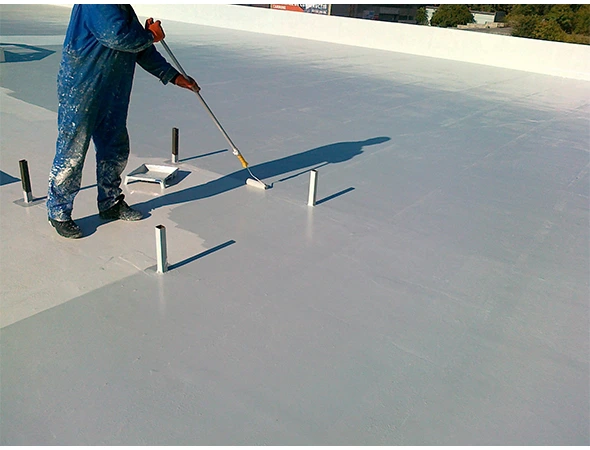
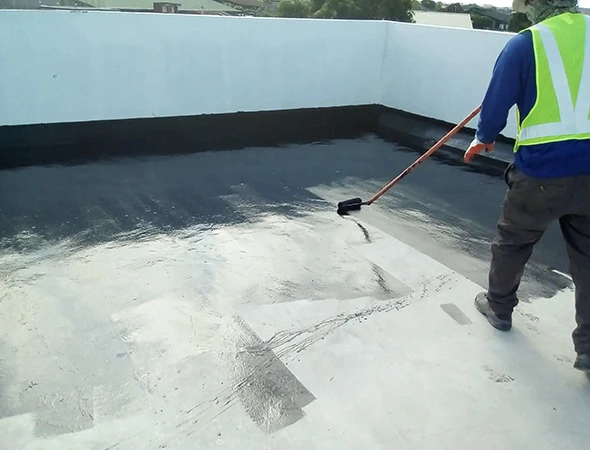
Water stains appear on interior walls long after the trouble starts outside. Moisture tracks behind stucco quietly, soaking sheathing and rusting lath before anything shows indoors. Along the panhandle, wind-driven rain during storm season pushes water sideways into gaps that shed rain fine during a normal shower. Stucco waterproofing closes those specific gaps. We check window and door perimeters, pipe penetrations, hose bibs, light fixtures, and any spot where stucco meets a different material.
Failed sealant comes out completely rather than getting caulked over, since new material will not bond to old cured beads. Backer rod goes in where joints run deep, letting the sealant flex instead of tearing. Majestic Stucco & Repair works down each elevation methodically, because a single missed penetration keeps the leak alive. We price this work off what the wall shows, not off square footage alone. You get a wall sealed where water actually enters.
Waterproofing often connects to other exterior work. Cracks may need closing first, or a wall might want a new finish once sealing wraps up. The cost depends on the service and the work required.
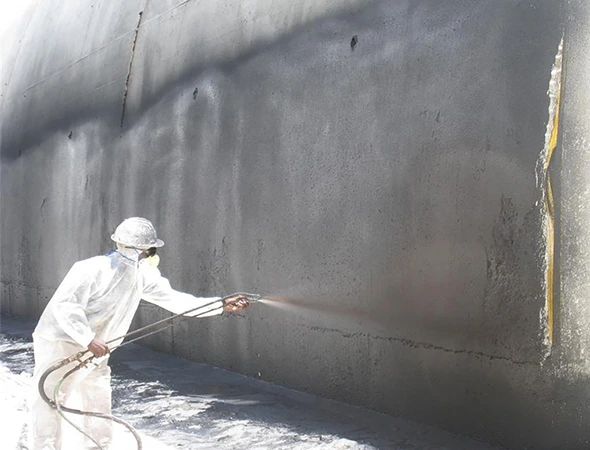
Cause First
Sealing a stain accomplishes nothing if water enters elsewhere. Our crew traces the route before touching a tube of sealant.
Full Removal
Old cured sealant gets cut out rather than covered. Fresh material bonds to clean substrate instead of relying on aged sealant beads.
Right Material
Moving joints, static penetrations, and damp horizontal surfaces each call for different products. Matching them protects the repair.
Complete Mapping
One missed penetration keeps a leak running. Every opening on an elevation gets counted and logged before work begins.
Verified Repairs
We check completed sealing after heavy rain when the timing allows. Guessing whether a fix worked serves nobody.
Local Track Record
Three decades across Escambia and Santa Rosa County show which details fail on regional builds. That knowledge came from callbacks, not catalogs.
Three stages, with each step discussed before the work begins.
Our team inspects the affected area, then works upward and outward toward the entry. Tapping locates soft and hollow sections. Findings shape the written scope.
Old sealant and loose material come out completely. Joints get cleaned, dried, and fitted with backer rod where depth requires it. Masking protects adjacent finishes.
Sealant goes in tooled flush, and membrane covers damp horizontal surfaces. Coverage gets checked across the whole elevation. We walk the finished work with you.
Older stucco walls carry control joints, expansion lines, and dozens of small penetrations added over the years. Satellite mounts, security cameras, and replaced light fixtures all leave holes behind. Those openings often get left behind after equipment is removed. Full elevation work catches what spot repairs miss. Our team maps every opening on a wall before sealing anything, working off a close visual pass rather than memory.
Sealant selection then follows the joint, since a moving expansion line needs different material than a static pipe collar. Compatibility matters too, because certain sealants refuse to bond over old coatings. Handled properly, an elevation stops taking on water at twenty different points. Bring an aging wall to Majestic Stucco & Repair, and the openings get counted before quoting.
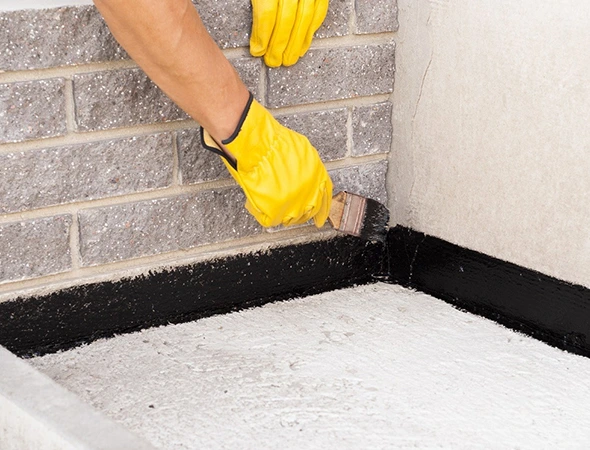
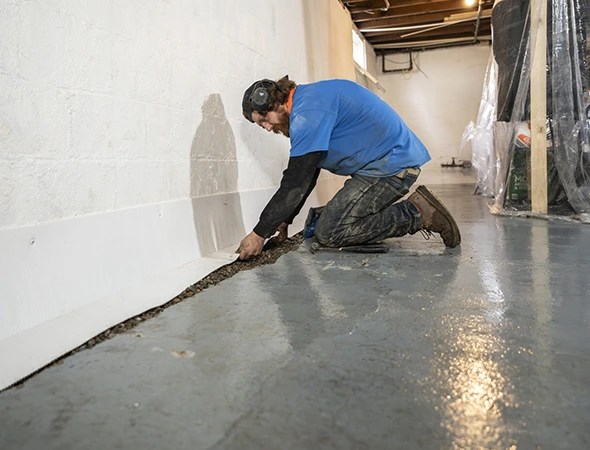
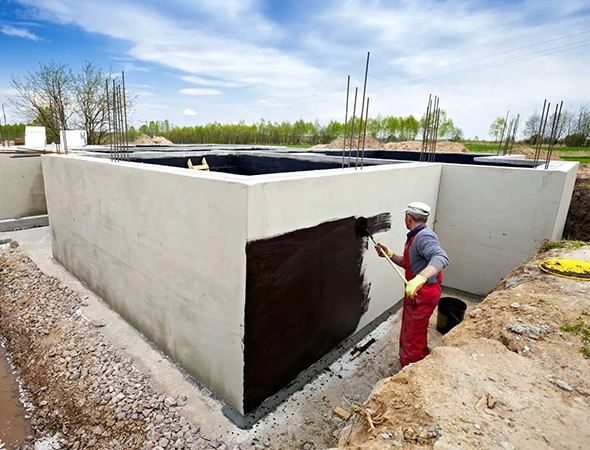
Sealant handles joints. Flat and near-flat surfaces need something else. Balcony decks, walkway ledges, parapet tops, and low garden walls all hold standing water after rain, and no bead of caulk survives that. Membrane systems solve the standing water problem. Liquid-applied membrane goes on continuously, wrapping up the wall edge and over the horizontal surface as one piece with no seam to fail.
Drainage direction gets checked before we start, since a deck sloping back toward the building needs correcting first. Our team primes the substrate properly, because membrane bonds only to clean, dry, sound material. Coverage thickness gets measured rather than eyeballed. The result is a horizontal surface that sheds water instead of holding it against the structure, which extends the life of everything underneath.
Finding a leak takes more skill than sealing one. A ceiling stain in a downstairs room often sits several feet from the actual entry, since water runs downhill inside a cavity and exits wherever it finds a gap. Tracing takes tap testing, close inspection above the damage, and a careful look at flashing where roof planes meet walls.
Kickout flashing failures show up constantly on local builds, sending roof runoff straight behind the stucco instead of onto the roof surface. Three decades on regional exteriors have taught our crew which details fail first around here. We fix the cause, then seal it, then check the repair after the next heavy rain. Majestic Stucco & Repair would rather return once for verification than leave you guessing. Proper detailing during stucco installation can help manage water movement around the exterior wall system. Interior finishes stay dry, and framing keeps its strength.
How much does exterior waterproofing cost?
Cost follows how many joints and penetrations a wall carries, the sealant grade selected, and whether membrane work joins the scope. A handful of window perimeters sits far below a full multi-elevation seal. Two-story access adds equipment time. A walk around gives you the real number, and that visit is free.
How often should sealant get replaced?
Service life depends on exposure more than product grade. A shaded inland joint outlasts one taking direct sun and salt spray by a wide margin. Cracking, shrinking, and pulling away from the edges all signal replacement time. An annual look at water-facing elevations catches problems early.
Can waterproofing stop an active leak?
Usually, provided the entry point is found correctly. Sealing the wrong joint leaves the leak running while looking like completed work. Cracks reaching through the stucco need repair before sealant helps. Diagnosis comes first for that reason.
Does new construction need waterproofing?
New builds include weather barriers and flashing, though installation quality varies considerably. Missed kickout flashing and unsealed penetrations are issues an inspection can uncover on newer buildings around Pace. An inspection during the first year catches those while they remain simple. Sealing early costs a fraction of repairing water damage later.
Will waterproofing change how walls look?
Sealant work stays largely invisible once tooled, and color-matched products blend into surrounding stucco. Membrane on decks and ledges reads as a slightly different sheen. Neither alters wall texture or color. Appearance changes belong to coating or renovation work instead.
Send photos of stained walls or ceilings to majesticstucco64@gmail.com with your address included. Our team traces the entry point on site, then quotes the sealing work and follows up at (850) 983-1612 with questions.
Keeping water outside a building drives everything we handle on the sealing side. Majestic Stucco & Repair works toward exteriors that stay dry at the joints, not just solid across the face. Our aim covers Northwest Florida walls facing decades of coastal storms.
WhatsApp us